How to Choose Quality Seeds for Different Crops: A Guide for Farmers and Dealers
Choosing the right seeds is one of the first steps towards a healthy crop. Whether you grow wheat, rice, maize, cotton or vegetables, the seed variety you select can affect crop establishment, plant growth, maturity and final produce quality.
However, choosing
seeds is not just about looking for a high-yield variety or a popular brand.
Farmers need to consider their local climate, soil conditions, sowing season,
water availability and market requirements. Seed dealers also need to
understand these factors to help customers select suitable products.
So, how do you
choose quality seeds for different crops? This guide explains the important
checks, the difference between hybrid and open-pollinated seeds, and what
farmers and agricultural buyers should know before purchasing seeds.
What Are Quality Seeds?
Quality seeds
are seeds that meet the required standards for physical purity, germination,
seed health and varietal identity. They should be suitable for the intended
crop and growing conditions.
Good-quality
seeds help establish a healthy and reasonably uniform crop stand when planted
under suitable conditions. However, good seeds alone cannot guarantee a high
yield. Weather, soil fertility, irrigation, pests, diseases and crop management
also influence the final result.
Before buying seeds, farmers should check the following factors:
Germination rate: The percentage of seeds expected to
produce normal seedlings under specified test conditions.
Physical purity: The seeds should be free from excessive
dirt, broken material, weed seeds and unwanted crop seeds.
Seed health: Seeds should meet the relevant health
and treatment requirements for the crop.
Varietal identity: The seed variety should match the name
and description provided on the label.
Freshness and storage:
Packaging and storage
conditions should help maintain seed viability.
Suitability: The variety should fit the local
climate, soil, sowing season and intended use.
These checks are useful for both farmers buying seeds for cultivation and dealers purchasing stock for resale.
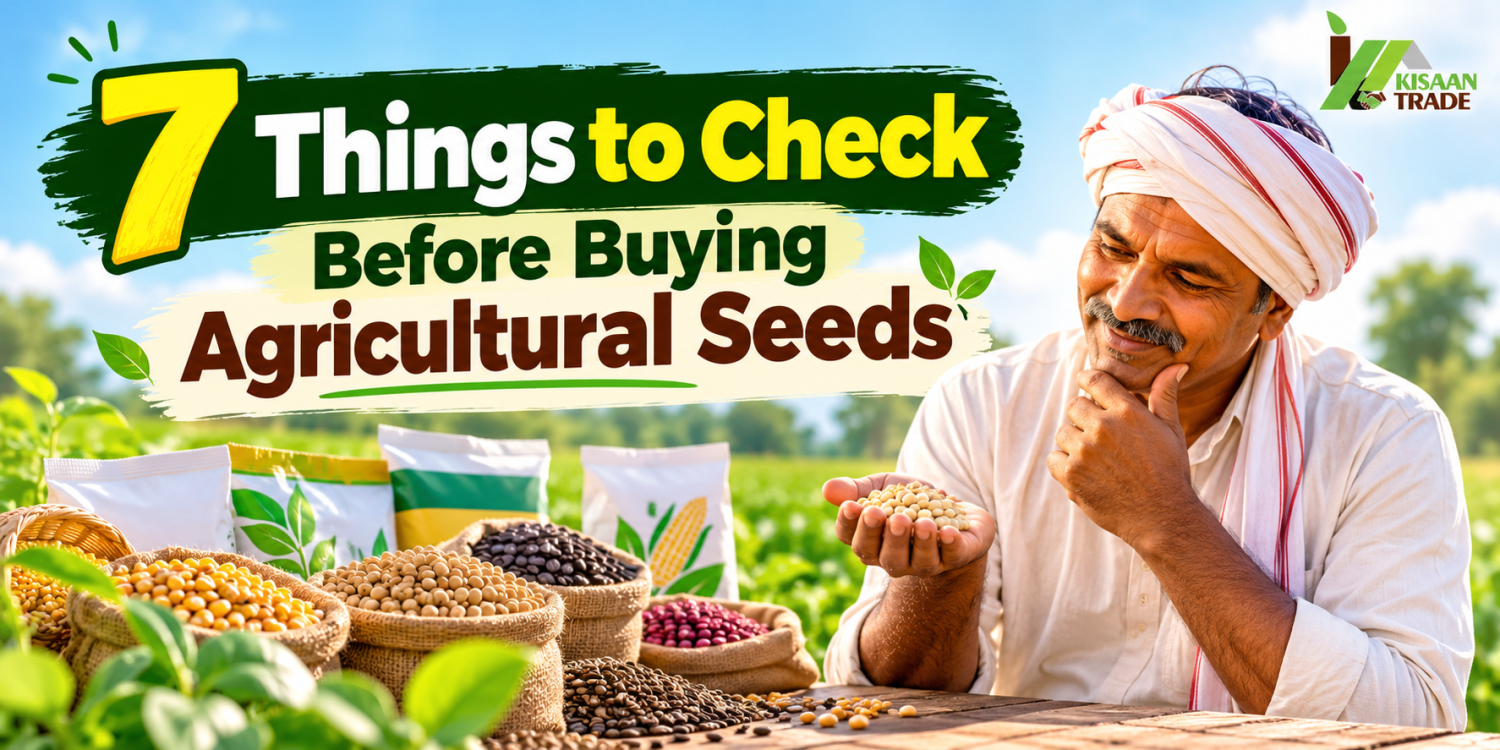
7 Things to Check Before Buying Agricultural Seeds
1. Choose Seeds According to Your Crop and Region
The first step
is to identify the crop you want to grow and the conditions in which it will be
cultivated. A variety that performs well in one region may not give the same
results in another.
For example, a
farmer growing maize for grain production may need different characteristics
from someone growing maize for animal feed. Similarly, vegetable growers may
prioritise fruit size, maturity period, market demand and suitability for local
growing conditions.
Before purchasing, consider:
·
The
crop and its intended use
·
Local
temperature and rainfall patterns
·
Soil
type and drainage
·
Availability
of irrigation
·
Recommended
sowing period
·
Expected
crop duration and market demand
Check the variety's recommended growing conditions and seek advice from a local agricultural expert when necessary.
2. Check the Germination Percentage
Germination
percentage indicates how many seeds are expected to develop into normal
seedlings under the specified testing conditions.
A higher
germination percentage can support better crop establishment, but actual field
emergence may differ because of soil moisture, temperature, sowing depth and
other conditions.
Always check
the germination information on the seed label and compare it with the
applicable standard for the particular crop and seed category.
For example, if
a seed lot has a tested germination rate of 90%, approximately 90 out of 100
seeds may produce normal seedlings under the stated test conditions. This does
not mean that 90 plants are guaranteed to emerge in every field.
3. Check the Seed Label, Lot Number and Expiry or Validity
Details
A seed packet
contains important information that helps buyers make an informed decision.
Before buying, check:
·
Crop
and variety or hybrid name
·
Seed
lot or batch number
·
Germination
percentage, where specified
·
Physical
purity and other required quality information
·
Test
date and applicable validity details
·
Net
weight and packing information
·
Treatment
details and safety instructions
· Manufacturer or responsible company's details
Prefer properly
labelled seeds from identifiable suppliers. Avoid packets that are damaged,
tampered with, poorly stored or missing required information.
For bulk purchases, dealers should also maintain purchase records and verify the documents required for the particular seed category.
4.
Understand the Difference Between Hybrid Seeds and Other Varieties
Hybrid seeds
are produced by crossing selected parent lines to combine particular
characteristics. Depending on the crop and hybrid, these characteristics may
include yield potential, uniformity, maturity, plant vigour or specific produce
qualities.
Open-pollinated varieties and other improved varieties may be suitable for different farming needs. The right choice depends on the crop, local conditions, seed cost and the farmer's production goals.
Hybrid seeds are not automatically the best choice for every crop or farm. Compare the characteristics, recommended conditions and total cultivation cost before deciding.
5. Select Seeds According to Soil and Water Availability
Soil conditions and irrigation facilities play an important role in seed selection.
A variety
suitable for well-irrigated land may not be the right option for a field with
limited water. Similarly, crops grown in heavy or poorly drained soil may
require different management from those grown in well-drained soil.
Before
purchasing seeds, consider whether the variety is recommended for your soil
type, available water and expected growing conditions. A soil test and advice
from a local agricultural expert can help you make a more informed choice.
6. Compare Seed Cost With the Overall Cultivation Plan
The cheapest
seed packet is not always the most economical option, and a higher-priced
hybrid is not necessarily the most profitable.
Compare the
seed price with the recommended seed rate, sowing method, crop duration,
fertiliser requirements, irrigation needs and expected selling price of the
produce.
Farmers should
also consider the cost of replacing a failed crop stand if poor-quality or
unsuitable seeds create establishment problems.
For dealers, it
is useful to compare supplier information, packaging, available varieties,
minimum order quantities and delivery terms before placing a bulk order.
7. Buy From a Reliable Seed Supplier
A reliable
supplier should provide clear product information and identifiable business
details. Farmers and dealers should be able to check the seed variety, batch
details, packaging and relevant quality documentation before making a purchase.
When buying
online, review the product description carefully and contact the seller if
essential details are missing.
For bulk
purchases, ask about order quantities, delivery arrangements, invoices and the
documents applicable to the product. Do not rely on marketing claims alone when
selecting seeds.
How to Choose Quality Seeds for Different Crops
Different crops have different growing requirements. The following table highlights the main factors farmers should consider when selecting seed varieties.
Important:
These are general selection guidelines, not a substitute for crop-specific
recommendations. Always check local agricultural advisories and the seed
supplier's instructions before sowing.
What Should Seed Dealers Check Before Buying Seeds in Bulk?
Seed dealers need to consider both product suitability and business requirements. Buying the wrong variety or holding poorly stored stock can create avoidable problems.
Before placing a wholesale order, dealers should:
Understand local demand: Identify the crops commonly grown in their sales area and the varieties customers ask for.
Verify product details: Check the crop, variety, batch information, packaging and relevant quality documentation.
Compare suppliers: Review product range, pricing, minimum order quantity and delivery terms.
Check storage requirements: Keep seed stock in suitable conditions according to the manufacturer's instructions.
Maintain records: Track purchase invoices, batch details, stock movement and customer enquiries.
Avoid unsupported claims: Explain the stated product characteristics without promising guaranteed yields.
A clear understanding of seed varieties helps dealers serve customers better and build long-term relationships with farmers.
Where Can Farmers and Dealers Explore Different Seed
Varieties?
Farmers, agricultural retailers and bulk buyers can explore seed suppliers online to compare available products and identify options that may suit their requirements.
One such option is Bharati Seeds, the brand of Yaganti Agrotech Pvt. Ltd., based in Hyderabad, Telangana. Its listed product range includes seeds for crops such as maize, rice, cotton, sunflower, mustard, bajra, jowar and selected vegetables.
Buyers can
visit the Bharati Seeds store on KisaanTrade to explore its listed products and
review the available variety information.
Before choosing
a particular seed, check its crop suitability, product specifications,
packaging and availability. Farmers should select a variety according to local
growing conditions, while dealers can contact the supplier to discuss product
details and bulk purchasing requirements.
Exploring a
supplier's product range is a useful starting point, but the final selection
should always be based on verified product information and the needs of the
farm or market.
Common Mistakes to Avoid When Buying Seeds
Even experienced farmers can make avoidable mistakes when selecting seeds. Keep these points in mind:
· Choosing
a variety only because it is popular in another region.
·
Assuming
every hybrid seed will produce a higher yield.
·
Ignoring
germination information and seed-label details.
·
Purchasing
damaged packets or seeds from unclear sources.
·
Selecting
a variety without considering water availability and sowing time.
·
Buying
large quantities without checking local demand or storage capacity.
·
Ignoring
the recommended seed rate and sowing instructions.
Taking a few minutes to check these details can help farmers and dealers make better purchasing decisions.
Frequently Asked Questions
1. How can I identify quality seeds?
Check the seed
label, germination information, physical purity, batch details, seed health
requirements and supplier information.
2. Which seeds are best for farming?
There is no
single best seed for every farm. The right choice depends on the crop, soil,
climate, sowing season, irrigation, local recommendations and market
requirements.
3. Are hybrid seeds better than traditional varieties?
Not in every
situation. Hybrid seeds may offer specific advantages depending on the crop,
but open-pollinated and other improved varieties can also be suitable
4. What should I check before buying hybrid seeds?
Check the
hybrid name, crop suitability, germination information, lot details, packaging,
recommended sowing conditions and relevant quality documentation
5. How should seeds be stored before sowing?
Follow the
manufacturer's storage instructions. In general, seeds should be protected from
excess moisture, heat, direct sunlight and pests.
6. Where can I find agricultural seed suppliers online?
You can explore
seed suppliers and product listings on agricultural marketplaces such as
KisaanTrade.
Choosing the
right seeds starts with understanding the crop and the conditions in which it
will grow. Germination, purity, seed health, variety suitability and reliable
sourcing are all important factors for farmers and seed dealers.
Rather than
choosing seeds only by price or brand popularity, compare the available
information and select a variety that matches your cultivation goals.
For farmers and
agricultural buyers exploring seed options, KisaanTrade provides a place to
discover suppliers and browse products, including the varieties listed by
Bharati Seeds. Make the final decision after checking the relevant product
details and local agricultural recommendations.
Recent Posts
किसानों के लिए सिंचाई के 10 बेहतरीन तरीके: जानें कौन-सा तरीका है आपके खेत के लिए सही
खेती की मशीन खरीदने से पहले 8 जरूरी बातें जो किसान को जाननी चाहिए
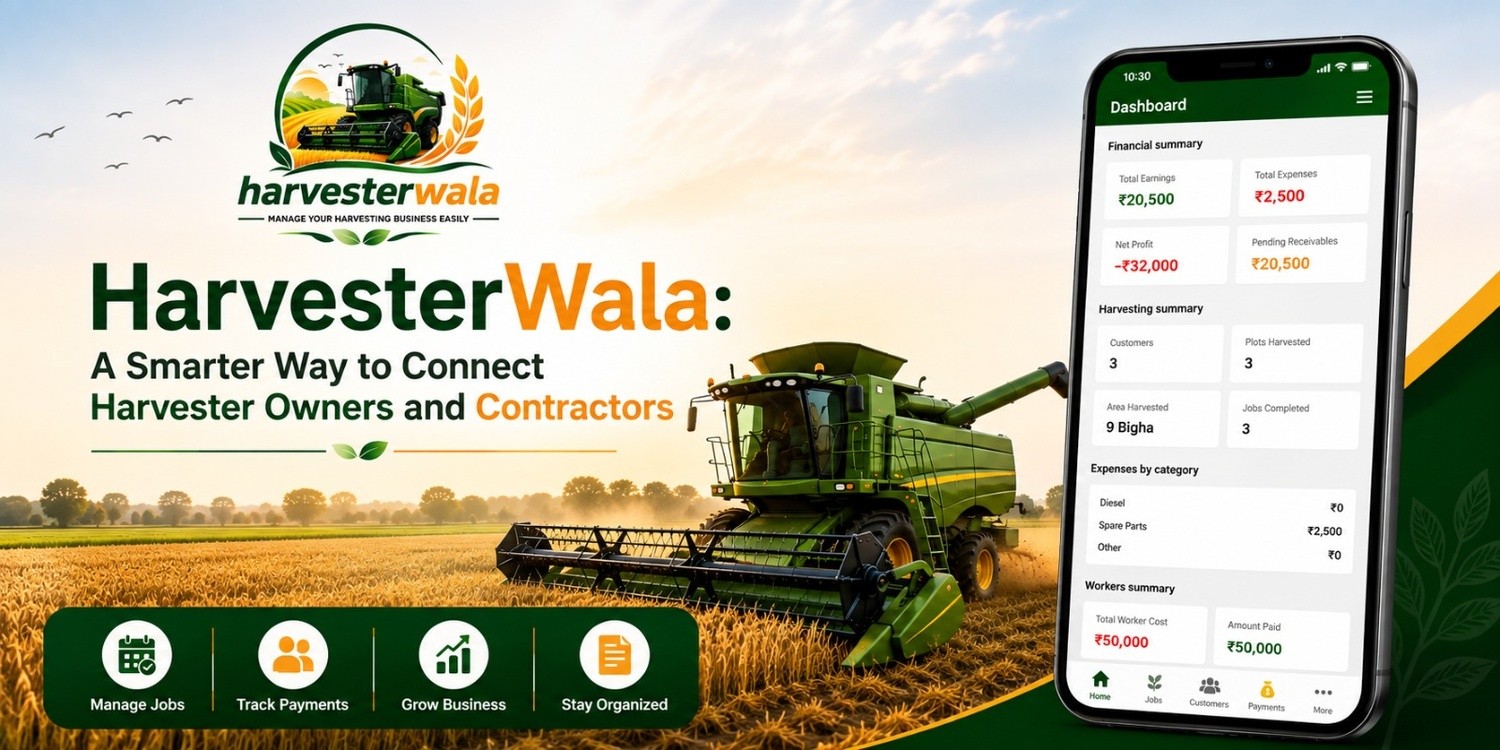
Introducing HarvesterWala: A Smarter Way to Connect Harvester Owners and Contractors

 Home
 Products
 Account